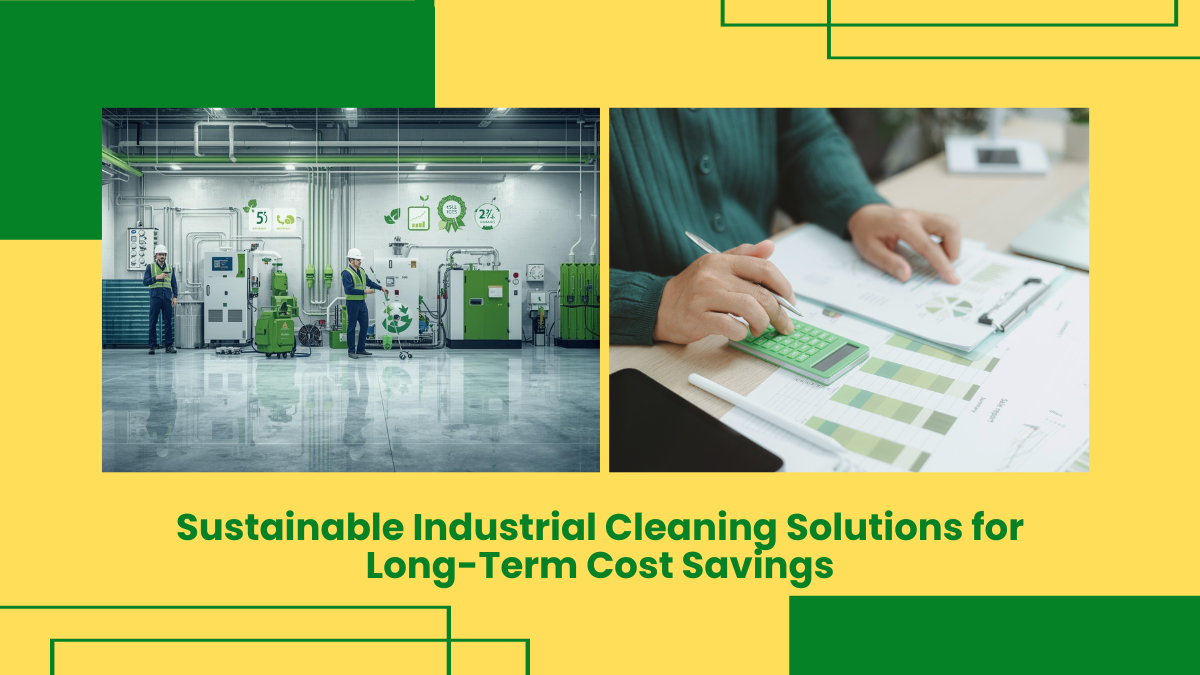
Industrial cleaning plays a critical role in maintaining workplace safety, operational efficiency, and regulatory compliance. Factories, warehouses, commercial kitchens, and production facilities require consistent cleaning to prevent contamination, equipment failure, and safety hazards.
Many organisations still rely on traditional chemical-heavy cleaning practices that increase costs and create environmental concerns. Excessive chemical use, water waste, and inefficient cleaning processes can lead to higher operational expenses over time.
This is where sustainable industrial cleaning solutions become valuable. These solutions focus on responsible cleaning practices that reduce waste, improve efficiency, and support long-term cost savings. Businesses that adopt sustainable cleaning strategies often experience lower chemical consumption, reduced water usage, and improved workplace safety.
For organisations aiming to improve both environmental responsibility and operational performance, sustainable cleaning practices provide practical and measurable benefits.
Understanding Sustainable Industrial Cleaning Solutions
Sustainable industrial cleaning solutions refer to cleaning products and practices designed to reduce environmental impact while maintaining effective sanitation standards. These solutions focus on minimising harmful chemicals, reducing water consumption, and improving cleaning efficiency.
Unlike traditional cleaning approaches that rely on large quantities of chemicals and resources, sustainable cleaning focuses on responsible usage and long-term environmental awareness.
Key characteristics of sustainable industrial cleaning solutions include:
- Use of environmentally responsible ingredients
- Reduced toxicity levels
- Lower water consumption during cleaning processes
- Biodegradable cleaning formulations
- Efficient chemical dilution systems
- Waste reduction practices
These practices help organisations maintain high hygiene standards while controlling operational costs.
Problems Businesses Face Without Sustainable Cleaning Practices
Many companies struggle with rising operational costs and environmental compliance challenges because they rely on outdated cleaning systems. Understanding these problems helps organisations recognise the value of sustainable cleaning strategies.
1. High Chemical Consumption
Traditional industrial cleaning often relies on large quantities of concentrated chemicals. Overuse of these chemicals leads to unnecessary expenses and increased storage requirements.
Excess chemical usage can also cause issues such as:
- Chemical residue on equipment
- Increased risk of worker exposure
- Higher disposal costs for hazardous waste
When cleaning chemicals are used without proper control or dilution systems, operational costs rise significantly.
2. Water Waste During Cleaning Processes
Industrial cleaning tasks such as equipment washing, floor cleaning, and sanitation procedures require substantial water usage. In many facilities, water is used inefficiently due to outdated cleaning methods.
High water consumption leads to:
- Increased utility bills
- Higher wastewater treatment costs
- Environmental resource strain
Facilities with poor water management often experience unnecessary operational expenses.
3. Workplace Safety Risks
Harsh industrial chemicals can cause health issues for employees who regularly handle cleaning products. Long-term exposure to strong chemicals may result in:
- Skin irritation
- Respiratory discomfort
- Chemical burns
- Workplace accidents caused by improper chemical handling
When safety risks increase, businesses may face employee health concerns and productivity disruptions.
4. Environmental Compliance Challenges
Industries are facing stricter environmental regulations related to waste disposal, water contamination, and chemical emissions.
Businesses using outdated cleaning chemicals may struggle to meet these requirements. Non-compliance can lead to regulatory penalties, operational interruptions, and reputational damage.
Sustainable industrial cleaning solutions help businesses align with environmental guidelines and industry standards.
5. Equipment Damage and Maintenance Costs
Improper cleaning chemicals can damage machinery, production equipment, and facility surfaces. Corrosive chemicals may shorten equipment lifespan and increase maintenance requirements.
Poor cleaning practices often lead to:
- Equipment corrosion
- Reduced machinery efficiency
- Increased repair expenses
- Production downtime
Over time, these issues can significantly impact business profitability.
Solutions: How Sustainable Industrial Cleaning Reduces Costs
Adopting sustainable industrial cleaning solutions allows organisations to address the problems described above while improving operational efficiency.
1. Use of Eco-Friendly Cleaning Formulations
Many sustainable cleaning products are designed with biodegradable ingredients and reduced toxicity levels. These formulations help businesses maintain hygiene without introducing harmful chemicals into the environment.
Eco-friendly cleaning products can:
- Reduce chemical exposure risks
- Lower hazardous waste generation
- Improve environmental compliance
Businesses benefit from safer working environments and responsible chemical management.
2. Smart Chemical Dilution Systems
Chemical dilution systems allow facilities to mix cleaning products in controlled quantities. This ensures that the correct concentration is used for each cleaning task.
Benefits of dilution systems include:
- Reduced chemical waste
- Lower product consumption
- Consistent cleaning performance
- Better cost control
Facilities that adopt controlled dilution systems often reduce chemical usage significantly.
3. Water-Efficient Cleaning Methods
Sustainable cleaning solutions include technologies and processes designed to minimise water usage.
Examples include:
- Low-water pressure cleaning systems
- Microfiber cleaning tools
- Foam-based cleaning methods
- High-efficiency spray equipment
These approaches help facilities achieve proper cleaning results while using less water.
4. Preventive Equipment Cleaning
Routine maintenance cleaning prevents dirt buildup, grease accumulation, and contamination that can damage equipment.
Preventive cleaning strategies reduce long-term repair costs and extend machinery lifespan. When equipment remains clean and properly maintained, production efficiency improves.
Industries such as food processing, manufacturing, and logistics benefit significantly from preventive cleaning programs.
5. Sustainable Procurement Strategies
Many organisations now include sustainability criteria when selecting cleaning suppliers.
This involves evaluating:
- Product environmental certifications
- Ingredient transparency
- Packaging sustainability
- Waste reduction practices
Responsible procurement ensures that businesses consistently use sustainable cleaning products.
Digital Communication and Sustainable Cleaning Awareness
Maintaining sustainable cleaning practices requires employee awareness and consistent communication across facilities.
Organisations often struggle to ensure that workers understand cleaning procedures, safety guidelines, and environmental goals. Communication gaps can lead to incorrect chemical usage and inefficient cleaning practices.
Digital signage systems help solve this challenge by displaying real-time instructions and operational guidelines across workplaces.
Ecochem provides a digital signage platform that connects with more than 100 applications, allowing businesses to display cleaning protocols, safety instructions, and sustainability policies throughout their facilities.
Digital signage can be used to communicate:
- Cleaning schedules
- Chemical handling guidelines
- Environmental awareness messages
- Workplace safety reminders
- Maintenance procedures
When employees receive clear visual instructions, cleaning processes become more consistent and efficient.
This improves operational coordination while supporting sustainable industrial cleaning solutions.
Long-Term Financial Benefits of Sustainable Industrial Cleaning
Businesses that adopt sustainable cleaning strategies often experience measurable cost savings over time. These savings come from multiple operational improvements.
Reduced Chemical Purchasing Costs
Using controlled dilution systems and environmentally responsible products lowers chemical consumption. Facilities purchase fewer cleaning chemicals while maintaining effective sanitation.
Lower Water Utility Expenses
Water-efficient cleaning practices reduce daily water consumption. Lower water usage results in reduced utility costs and wastewater management expenses.
Decreased Equipment Maintenance Costs
When equipment is cleaned with appropriate cleaning solutions, corrosion and damage risks decrease. Machinery remains operational for longer periods, reducing maintenance costs.
Improved Workplace Productivity
Cleaner environments improve employee safety and working conditions. Workers experience fewer chemical exposure risks, allowing them to perform tasks more efficiently.
Better Regulatory Compliance
Facilities that adopt sustainable cleaning practices find it easier to meet environmental and safety regulations. Compliance reduces the risk of penalties, inspections, and operational disruptions.
Prevention Tips for Maintaining Sustainable Cleaning Practices
Implementing sustainable cleaning solutions requires long-term commitment and consistent operational strategies.
1. Train Employees on Responsible Cleaning Practices
Cleaning staff must understand how to use products correctly and follow safety procedures.
Training programs should include:
- Chemical dilution instructions
- Safe storage practices
- Equipment cleaning procedures
- Waste disposal guidelines
Well-trained teams improve cleaning efficiency and reduce resource waste.
2. Conduct Regular Cleaning Audits
Facilities should review cleaning practices regularly to identify inefficiencies.
Audits can evaluate:
- Chemical usage levels
- Water consumption
- Equipment cleaning frequency
- Compliance with safety protocols
Monitoring cleaning performance helps organisations improve sustainability efforts.
3. Standardise Cleaning Procedures
Standard operating procedures ensure that employees follow consistent cleaning methods across all departments.
Clear documentation reduces confusion and prevents incorrect chemical usage.
Digital signage solutions can display these procedures throughout the workplace to ensure consistent communication.
4. Use Multi-Purpose Sustainable Cleaning Products
Many sustainable cleaning products are designed for multiple applications, such as surface cleaning, equipment sanitation, and floor maintenance.
Using multi-purpose products reduces the number of chemicals required for daily operations.
5. Work with Responsible Cleaning Product Suppliers
Selecting reliable suppliers ensures consistent access to environmentally responsible cleaning products.
Businesses should evaluate suppliers based on:
- Sustainability commitments
- Product certifications
- Environmental safety standards
- Product transparency
Responsible suppliers support long-term sustainable cleaning strategies.
Why Businesses Are Moving Toward Sustainable Industrial Cleaning Solutions
Industrial cleaning is evolving as businesses recognise the financial and environmental advantages of responsible cleaning practices.
Organisations that adopt sustainable industrial cleaning solutions benefit from improved operational efficiency, lower resource consumption, and safer working environments.
At the same time, companies must ensure that employees understand and follow proper cleaning procedures. Communication tools such as digital signage platforms play an important role in reinforcing safety and sustainability practices.
Ecochem’s digital signage platform allows businesses to display operational guidelines, safety instructions, and environmental messages across multiple locations. By connecting with more than 100 applications, organisations can manage cleaning communication efficiently while supporting sustainable workplace practices.
Sustainable cleaning is not only about protecting the environment. It also helps businesses control operational costs, maintain workplace safety, and support long-term organisational growth.
Organisations that prioritise responsible cleaning strategies position themselves for stronger operational stability and improved sustainability performance.
FAQ’S
What are sustainable industrial cleaning solutions?
Sustainable industrial cleaning solutions use environmentally responsible products and efficient cleaning practices that reduce chemical use, water consumption, and environmental impact.
How do sustainable cleaning solutions reduce operational costs?
They lower chemical usage, reduce water consumption, decrease equipment damage, and minimize waste disposal costs over time.
Are sustainable industrial cleaning products effective for heavy-duty cleaning?
Yes, many sustainable products are designed to remove grease, dirt, and contaminants while maintaining safety and environmental standards.
Which industries benefit from sustainable industrial cleaning solutions?
Manufacturing plants, food processing facilities, warehouses, healthcare institutions, hospitality businesses, and commercial kitchens benefit from these cleaning practices.
How can businesses implement sustainable industrial cleaning solutions?
Businesses can adopt eco-friendly cleaning products, train staff properly, monitor chemical usage, and follow standardised cleaning procedures.
Written By: Vinny Jain