
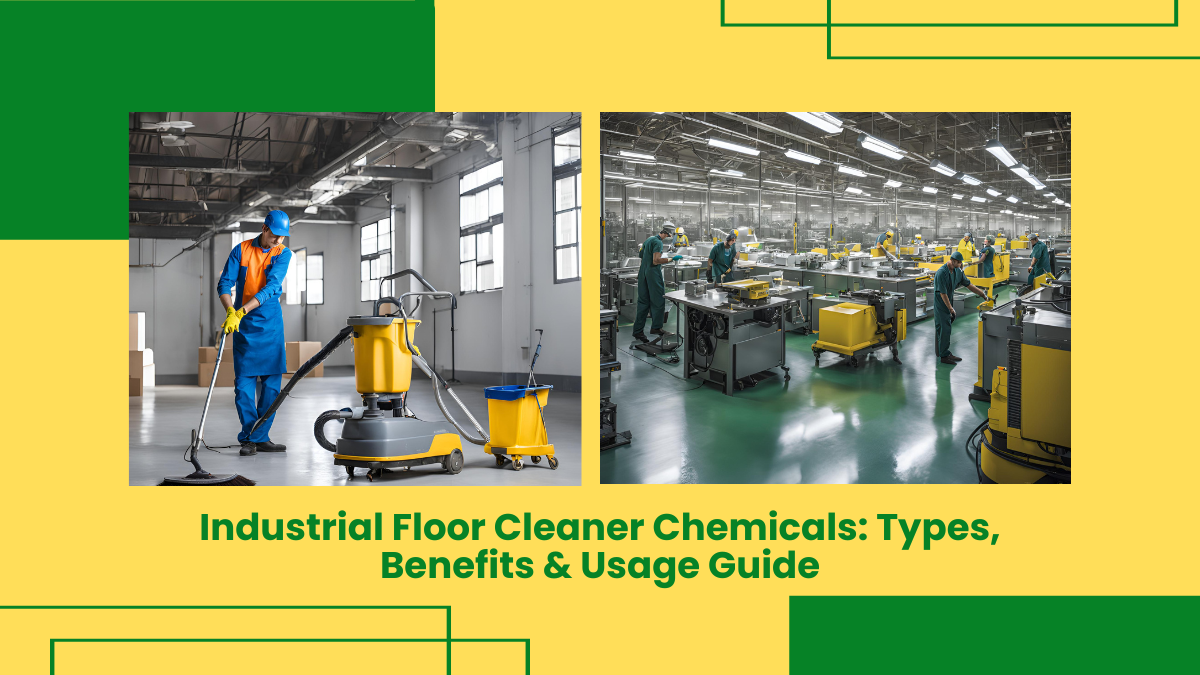
Introduction
Industrial floors face constant exposure to dirt, grease, chemicals, and heavy foot or machine traffic. Maintaining clean floors is not just about appearance. It directly impacts safety, productivity, and compliance.
Using the right industrial floor cleaner chemicals is essential to remove contaminants effectively and prevent hazards such as slips, equipment damage, and hygiene issues.
This guide explains the types of floor cleaning chemicals, common problems, practical solutions, and best practices for industrial use.
What Are Industrial Floor Cleaner Chemicals?
Industrial floor cleaner chemicals are specially formulated cleaning agents designed to remove tough dirt, oil, grease, and residues from industrial flooring.
Key Features
- Strong cleaning performance
- Compatibility with different floor types
- Safe for industrial environments when used correctly
- Available in concentrated and ready-to-use forms
Types of Industrial Floor Cleaner Chemicals
Choosing the right type of cleaner depends on the nature of dirt and the flooring material.
1. Alkaline Floor Cleaners
- Effective for grease, oil, and heavy dirt
- Commonly used in manufacturing and workshops
2. Neutral Floor Cleaners
- Mild formulation for regular cleaning
- Suitable for daily maintenance
3. Acidic Floor Cleaners
- Used for removing mineral deposits and stains
- Suitable for specific industrial applications
4. Solvent-Based Cleaners
- Effective for stubborn grease and oil
- Used in heavy-duty industrial environments
5. Eco-Friendly Floor Cleaners
- Biodegradable and non-toxic formulations
- Suitable for sustainable operations
Problems with Improper Floor Cleaning Chemicals
Using the wrong industrial floor cleaner chemicals can lead to several issues.
1. Ineffective Cleaning
- Dirt and grease remain on surfaces
- Leads to repeated cleaning efforts
2. Safety Hazards
- Slippery floors increase the risk of accidents
- Poor cleaning affects workplace safety
3. Floor Damage
- Harsh chemicals can damage flooring materials
- Reduces the lifespan of floors
4. Increased Maintenance Costs
- Frequent repairs due to chemical damage
- Higher operational expenses
5. Compliance Issues
- Improper cleaning may not meet safety standards
- Risks during inspections and audits
Solutions: Choosing the Right Industrial Floor Cleaner Chemicals
Selecting the right industrial floor cleaner chemicals helps address these challenges.
1. Match Cleaner to Floor Type
- Concrete, tile, epoxy, and other floors require different solutions
- Prevents damage and improves cleaning results
2. Choose Based on Dirt Type
- Use alkaline cleaners for grease
- Use neutral cleaners for regular maintenance
3. Focus on Safety
- Use non-toxic or low-toxicity formulations
- Ensure safe handling for workers
4. Ensure Compatibility with Equipment
- Suitable for manual and machine cleaning
- Improves efficiency
5. Follow Manufacturer Guidelines
- Use recommended dilution ratios
- Ensures effective cleaning
Benefits of Using the Right Floor Cleaner Chemicals
1. Improved Workplace Safety
Clean floors reduce slip and fall risks.
2. Enhanced Cleaning Efficiency
Effective products reduce cleaning time and effort.
3. Cost Savings
- Lower maintenance and repair costs
- Reduced product wastage
4. Longer Floor Lifespan
Proper cleaning prevents damage and wear.
5. Better Compliance
Maintains hygiene and safety standards required in industrial environments.
Applications Across Industries
1. Manufacturing Units
- Cleaning factory floors and production areas
- Removing grease and industrial residues
2. Warehouses and Logistics
- Maintaining clean storage areas
- Reducing dust and dirt buildup
3. Food Processing Facilities
- Ensuring hygiene standards
- Removing food residues and spills
4. Automotive and Engineering Units
- Cleaning oil and grease from floors
- Maintaining safe working conditions
5. Commercial Spaces
- Cleaning large floor areas efficiently
- Maintaining professional environments
Best Practices for Using Industrial Floor Cleaner Chemicals
1. Follow Proper Dilution Ratios
- Ensures effective cleaning
- Prevents product wastage
2. Use Suitable Cleaning Equipment
- Use scrubbers, mops, or machines as required
- Improves cleaning efficiency
3. Maintain Regular Cleaning Schedules
- Prevent the buildup of dirt and grease
- Reduces cleaning effort
4. Train Staff
- Ensure correct usage of cleaning chemicals
- Improve safety and efficiency
5. Conduct Regular Inspections
- Monitor cleaning results
- Maintain hygiene standards
Prevention Tips for Long-Term Floor Maintenance
To maintain consistent results with industrial floor cleaner chemicals, follow these preventive measures:
1. Avoid Overuse of Chemicals
Excess use can damage floors and increase costs.
2. Use Correct Cleaning Tools
Proper tools improve cleaning effectiveness.
3. Clean Spills Immediately
Prevents buildup and reduces cleaning effort.
4. Choose Certified Products
Ensure products meet safety and quality standards.
5. Work with Reliable Suppliers
Consistent product quality ensures better results.
Buying Guide: How to Choose the Right Floor Cleaner
1. Identify Cleaning Needs
Consider the type of dirt and floor material.
2. Check Product Safety
Choose safe and approved formulations.
3. Evaluate Performance
Select products proven effective for industrial use.
4. Consider Bulk Purchasing
Bulk buying reduces costs and ensures availability.
5. Choose Trusted Suppliers
Work with suppliers offering consistent quality and support.
How Ecochem Supports Industrial Cleaning Management
While selecting the right industrial floor cleaner chemicals is essential, managing cleaning operations across large facilities requires coordination.
Ecochem helps businesses streamline cleaning management through its digital signage platform.
Key Benefits of Ecochem
- Display cleaning schedules across departments
- Share cleaning protocols and safety instructions in real time
- Integrate with over 100 applications for centralised communication
This ensures that cleaning standards are consistently followed, improving efficiency and compliance.
Future Trends in Industrial Floor Cleaning
The industry is evolving with a focus on:
- Eco-friendly and biodegradable cleaning products
- Automation in floor cleaning processes
- Smart monitoring systems for maintenance
- Safer formulations for workers
Businesses are adopting solutions that improve both efficiency and sustainability.
Conclusion
Industrial floor cleaner chemicals play a vital role in maintaining safety, hygiene, and operational efficiency. Choosing the right products and following best practices ensures consistent results.
Businesses that focus on quality, safety, and proper usage can improve cleaning outcomes, reduce costs, and maintain high standards across their facilities.
FAQ’S
What are industrial floor cleaner chemicals?
Industrial floor cleaner chemicals are specialised solutions used to remove dirt, grease, and contaminants from industrial floors for safe and effective cleaning.
Which type of industrial floor cleaner is best for grease removal?
Alkaline floor cleaners are best for removing grease and oil from industrial floors, making them suitable for manufacturing and heavy-duty environments.
Are industrial floor cleaner chemicals safe for all floor types?
Not all cleaners suit every surface; selecting the right chemical based on floor type prevents damage and ensures effective cleaning results.
How often should industrial floors be cleaned using these chemicals?
Industrial floors should be cleaned regularly, depending on usage and contamination levels, to maintain hygiene, safety, and prevent the buildup of dirt.
How to choose the right industrial floor cleaner chemicals?
Choose based on floor type, dirt type, safety features, performance, and supplier reliability to ensure efficient cleaning and long-term maintenance benefits.
Written By: Vinny Jain