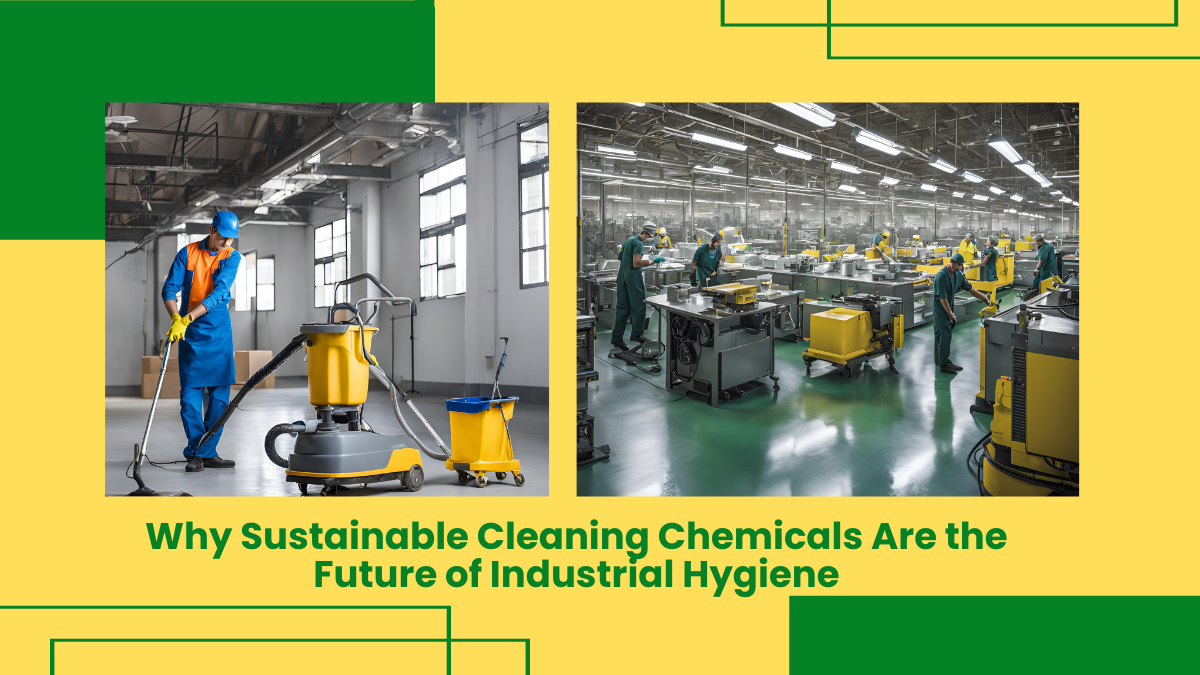
Industrial hygiene is no longer limited to keeping floors, machines, and surfaces clean. It now includes worker safety, environmental responsibility, regulatory compliance, and operational consistency. Traditional industrial cleaning chemicals have helped industries maintain hygiene for years, but they also bring serious challenges that can no longer be ignored.
As expectations shift, sustainable cleaning chemicals are becoming the preferred choice for industries focused on safer operations and long-term stability. These chemicals deliver reliable cleaning performance while reducing harm to people, equipment, and the environment.
This article explores the problems with conventional industrial hygiene practices, the solutions offered by sustainable cleaning chemicals, and prevention tips to maintain high hygiene standards across industrial environments.
Problems in Conventional Industrial Hygiene Practices
Worker Health and Safety Risks
Many conventional cleaning chemicals contain aggressive compounds that expose workers to:
- Skin irritation and chemical burns
- Breathing discomfort from fumes
- Long-term sensitivity due to repeated exposure
In industrial settings where cleaning is frequent, these risks affect productivity, morale, and workforce retention.
Inconsistent Hygiene Standards
Industrial hygiene often depends on manual processes and individual judgment. This results in:
- Uneven cleaning quality
- Missed cleaning schedules
- Poor visibility across departments
Without clear communication, hygiene standards vary from one shift or site to another.
Environmental Impact of Cleaning Chemicals
Traditional industrial cleaners often leave residues that enter drainage systems. Over time, this leads to:
- Water pollution
- Increased treatment costs
- Long-lasting environmental damage
These effects raise concerns for industries operating near residential or sensitive zones.
Equipment and Surface Degradation
Harsh chemicals may clean faster, but often:
- Corrode metal surfaces
- Damage protective coatings
- Reduce equipment lifespan
Frequent repairs and downtime disrupt operations and increase expenses.
Rising Regulatory Pressure
Industrial hygiene is closely monitored by safety and environmental authorities. Using unsafe cleaning chemicals creates:
- Compliance challenges
- Audit delays
- Documentation gaps
Keeping up with regulations becomes harder when chemical choices do not align with safety expectations.
What Are Sustainable Cleaning Chemicals?
Understanding Sustainable Cleaning Chemicals
Sustainable cleaning chemicals are designed to support industrial hygiene while minimizing negative impact. They focus on:
- Lower toxicity
- Reduced emissions
- Safer ingredient profiles
- Responsible breakdown after use
These products are suitable for industrial cleaning tasks such as surface cleaning, degreasing, equipment maintenance, and wash processes.
How Sustainable Cleaning Chemicals Solve Industrial Hygiene Challenges
Safer Work Environments
Lower-toxicity formulations reduce exposure risks. This leads to:
- Fewer chemical-related injuries
- Reduced dependency on heavy protective gear
- Better overall workplace comfort
Safer environments help maintain consistent productivity.
Reliable Hygiene Performance
Sustainable cleaning chemicals are engineered for industrial needs. They:
- Remove grease, dirt, and residues effectively
- Maintain cleaning consistency
- Work efficiently at controlled dosages
This ensures hygiene standards are met without aggressive chemical action.
Protection of Equipment and Surfaces
Gentler formulations reduce chemical stress on assets. Benefits include:
- Lower corrosion risk
- Extended equipment life
- Fewer maintenance interruptions
Over time, this supports operational reliability.
Reduced Environmental Burden
Sustainable cleaning chemicals break down more safely after use. This helps:
- Lower wastewater impact
- Reduce environmental treatment efforts
- Support responsible waste management
Industries maintain hygiene without creating long-term pollution.
Simplified Compliance and Audits
Using sustainable cleaning chemicals aligns better with:
- Workplace safety requirements
- Environmental standards
- Corporate sustainability goals
This reduces compliance complexity and improves audit readiness.
Why Sustainable Cleaning Chemicals Represent the Future
Shift Toward Responsible Industrial Practices
Industries are under growing pressure to reduce chemical hazards. Sustainable cleaning chemicals support:
- Safer operational models
- Improved brand trust
- Long-term risk reduction
This shift is driven by necessity, not trends.
Focus on Workforce Well-Being
Industrial hygiene now includes employee health. Safer cleaning chemicals help:
- Reduce sick days
- Improve working conditions
- Support long-term workforce stability
Healthy environments lead to consistent output.
Operational Cost Stability
While cost comparisons often focus on upfront pricing, sustainable cleaning chemicals help reduce:
- Equipment repair expenses
- Waste handling costs
- Health-related disruptions
This creates predictable operational spending over time.
Need for Consistent Hygiene Visibility
Industrial hygiene requires clear communication. Without visibility, even good chemicals fail to deliver results. This is where structured systems matter.
Prevention Tips for Maintaining Industrial Hygiene
Choose Chemicals Based on Application
Avoid using one product for every task. Instead:
- Select chemicals designed for specific surfaces
- Use mild formulations for routine cleaning
- Apply stronger solutions only when needed
This protects equipment and improves hygiene outcomes.
Standardize Cleaning Procedures
Consistency prevents hygiene gaps. Standardization helps:
- Maintain uniform cleaning quality
- Reduce human error
- Improve accountability
Clear procedures support better results.
Train Teams on Proper Usage
Proper training ensures chemicals are used correctly. Focus on:
- Correct dilution methods
- Safe handling practices
- Storage guidelines
Well-trained teams reduce waste and safety risks.
Monitor and Track Hygiene Activities
Tracking cleaning schedules and chemical usage helps identify:
- Missed routines
- Overuse
- Process inefficiencies
Visibility leads to better control.
Use Digital Signage to Improve Hygiene Communication
Clear communication supports strong hygiene practices. Ecochem’s digital signage platform helps industries:
- Display cleaning schedules in real time
- Share safety instructions across facilities
- Communicate hygiene standards consistently
With secure integration across more than 100 applications, Ecochem keeps hygiene information visible and aligned across teams and locations.
How Ecochem Supports Sustainable Industrial Hygiene
Ecochem provides a centralized digital signage solution that helps industrial facilities manage hygiene communication effectively. By connecting cleaning protocols, safety updates, and operational messages, organizations can:
- Reduce manual coordination
- Improve compliance visibility
- Maintain hygiene consistency across sites
When sustainable cleaning chemicals are supported by clear communication, industrial hygiene becomes easier to manage and maintain.
The Long-Term Role of Sustainable Cleaning Chemicals
Sustainable cleaning chemicals support more than cleanliness. They help industries:
- Protect people
- Preserve equipment
- Reduce environmental impact
- Maintain compliance
These benefits make them a practical foundation for future-ready industrial hygiene systems.
Final Thoughts
Industrial hygiene is evolving, and chemical choices play a central role in that change. Sustainable cleaning chemicals address the limitations of traditional products by offering safer, cleaner, and more responsible solutions.
By understanding existing problems, applying sustainable solutions, and following preventive practices, industries can maintain high hygiene standards without compromising safety or efficiency.
With platforms like Ecochem ensuring clear communication and operational visibility, sustainable industrial hygiene becomes structured, consistent, and achievable.
FAQ’S
What are sustainable cleaning chemicals used for in industries?
Sustainable cleaning chemicals are used to maintain industrial hygiene while reducing health risks, environmental impact, and equipment damage.
How do sustainable cleaning chemicals improve industrial hygiene?
They provide consistent cleaning performance with safer formulations that protect workers, surfaces, and surrounding environments.
Are sustainable cleaning chemicals suitable for heavy industrial cleaning?
Yes, they effectively remove grease, residues, and contaminants in industrial environments without relying on harsh chemical action.
Do sustainable cleaning chemicals support regulatory compliance?
Yes, they align better with workplace safety and environmental regulations, simplifying audits and compliance processes.
Can sustainable cleaning chemicals reduce long-term industrial costs?
They help lower maintenance expenses, chemical consumption, waste treatment costs, and health-related workplace disruptions.
Written By: Vinny Jain