Introduction
Industrial degreasing has traditionally depended on solvent-based chemicals known for their aggressive cleaning power. These products work quickly, but they come with significant drawbacks: harsh fumes, worker safety concerns, environmental risks, corrosion of equipment, and high disposal costs.
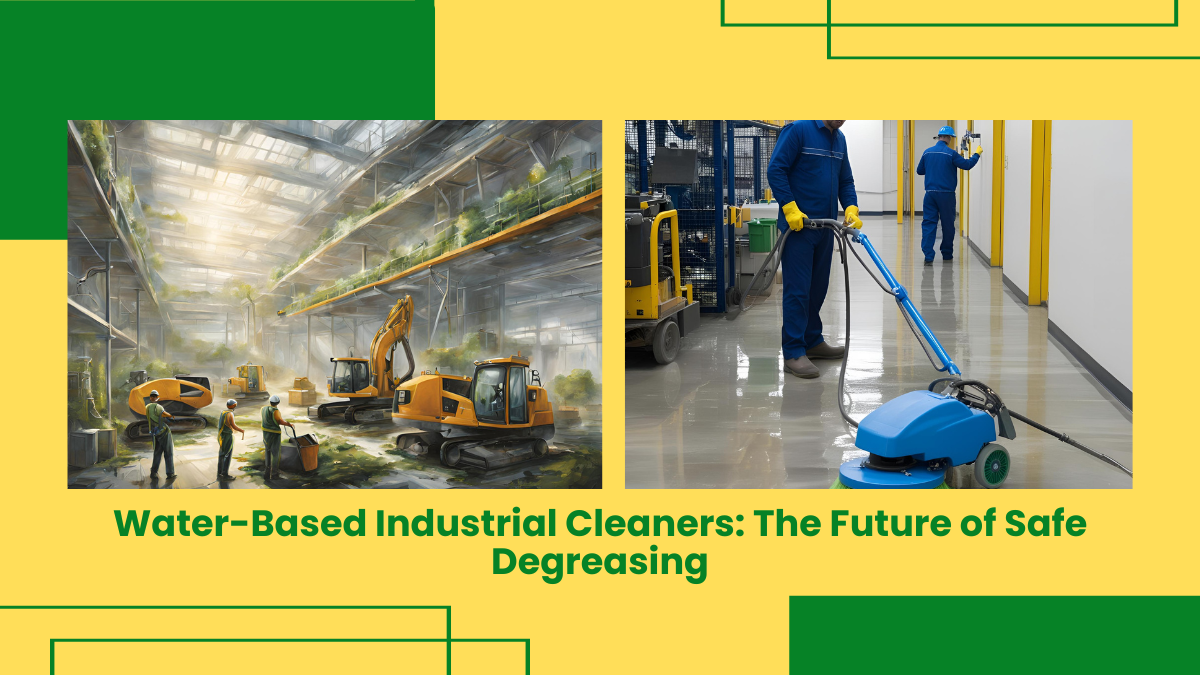
The rise of water-based industrial cleaners marks a pivotal shift in how factories, workshops, and maintenance teams approach degreasing. These cleaners offer strong performance without the hazards of conventional chemical solvents. As industries aim for safer, efficient, and sustainable operations, water-based alternatives are emerging as the preferred choice.
This article explores the key problems with traditional degreasers, how water-based industrial cleaners solve them, and what preventive practices help companies maintain consistent, safe, and efficient degreasing standards. Ecochem’s digital signage integrations further strengthen this transformation by improving training, SOP compliance, and process visibility.
Problems: Why Traditional Solvent Degreasers No Longer Work for Modern Industry
1. Worker Health Risks from Harsh Solvents
Solvent-based degreasers release fumes that can irritate the skin, eyes, and respiratory system. Workers exposed to these chemicals face:
- Breathing discomfort
- Skin dryness or irritation
- Headaches
- Long-term health issues
Industrial environments with limited ventilation amplify these risks.
2. Fire and Flammability Hazards
Many solvent cleaners are highly flammable. Their vapors can ignite near sparks, heat sources, or welding zones — common conditions in factories and workshops.
This creates:
- Increased fire risk
- Need for specialized storage
- Higher insurance costs
3. Equipment Corrosion and Material Damage
Strong solvents often strip protective coatings, paint, and rubber components. Over time, this leads to:
- Corrosion
- Rust
- Faster wear and tear
- More frequent repairs
Manufacturers lose money on maintenance downtime and part replacement.
4. High Chemical Disposal and Environmental Impact
Solvent residues require regulated disposal, increasing costs. Improper disposal contaminates soil and water sources, which can lead to penalties from regulators.
This is a growing concern as sustainability standards tighten globally.
5. Limited Cleaning Flexibility
Some solvent degreasers damage plastic, rubber, painted surfaces, or delicate components. This limits their application and forces teams to buy multiple cleaning products.
Solutions: Why Water-Based Industrial Cleaners Are the Future
Water-based industrial cleaners solve many of the challenges associated with traditional solvents. Combining surfactant technology with controlled pH levels, these cleaners effectively break down oil, grease, and grime without harmful fumes.
1. Safer for Workers
Water-based cleaners reduce exposure to toxic vapors and harsh chemicals. They improve working conditions by:
- Minimizing respiratory irritation
- Reducing skin hazards
- Lowering PPE requirements
- Supporting healthier workplace environments
This aligns with modern safety expectations and regulatory requirements.
2. Non-Flammable and Low Odor
Because water is the primary carrier, these cleaners are non-flammable. This makes them safe for:
- Welding workshops
- Mechanical repair bays
- Manufacturing floors
- Closed environments
Low odor also improves comfort, especially for workers cleaning for long periods.
3. Strong Degreasing Performance with Less Damage
Water-based industrial cleaners are formulated to break down:
- Grease
- Lubricants
- Carbon deposits
- Industrial oils
- Dust buildup
Without the corrosive effects of solvents, they protect:
- Paint
- Rubber
- Plastic
- Seals
- Metal surfaces
This extends equipment life and reduces repair costs.
4. Better for the Environment
Water-based formulas reduce:
- Hazardous waste generation
- Risk of groundwater contamination
- Emissions from chemical vapors
They often meet modern environmental compliance standards without requiring complex handling procedures.
5. Easy Integration Into Existing Processes
Water-based industrial cleaners work well with:
- Manual cleaning
- Pressure washing
- Spray-and-wipe systems
- Foam cleaning
- Dip tanks
This flexibility improves cleaning efficiency across diverse industrial environments.
6. Supported by Ecochem’s Digital Cleaning Ecosystem
Ecochem enhances the adoption of water-based industrial cleaners by displaying:
- Correct dilution ratios
- Step-by-step cleaning SOPs
- Safety reminders
- Quality checks
- Real-time cleaning schedules
Across connected digital screens in workspaces. This helps factories reduce misuse, prevent chemical over-application, and maintain consistent cleaning performance.
Ecochem integrates with more than 100 applications, allowing factories to synchronize:
- Maintenance schedules
- Cleaning audits
- Safety alerts
- Compliance reminders
This improves transparency and accountability across teams.
Prevention Tips: How to Maintain Safe and Consistent Degreasing Practices
1. Train Workers Regularly
Educate teams on:
- Correct dilution
- Application techniques
- Required contact time
- Safe handling practices
Digital training reminders through Ecochem screens reinforce these behaviors daily.
2. Standardize SOPs
Clear SOPs reduce errors and ensure consistent results. Use:
- Visual instructions
- Color-coded guidance
- Process diagrams
Displaying these visually ensures everyone follows the same method.
3. Avoid Mixing Chemical Types
Mixing solvents with water-based cleaners can reduce performance or create reactions. Assign designated cleaning areas and labeling systems to prevent mistakes.
4. Monitor Cleaning Effectiveness
Track:
- Soil levels before and after cleaning
- Worker feedback
- Chemical consumption trends
This helps refine processes and improve cost efficiency.
5. Protect Surfaces with Proper Rinsing
Even safe products require a brief rinse when used on sensitive equipment. Proper rinsing:
- Prevents residue
- Ensures hygiene
- Maintains equipment shine
6. Maintain Storage and Inventory Systems
Keep cleaners labeled, sealed, and stored away from extreme temperatures. Ecochem can send inventory reminders or display low-stock alerts to prevent interruptions.
Benefits of Using Water-Based Industrial Cleaners
- Lower toxicity
- Reduced fire risk
- Minimal residue
- Surface-safe cleaning
- Long equipment lifespan
- Cost-efficient usage
- Easier compliance
- Improved worker comfort
- Fewer environmental liabilities
Why the Future Belongs to Water-Based Cleaners
Industrial environments now prioritize safety, sustainability, and process consistency. Water-based industrial cleaners deliver all three while maintaining the performance required for heavy-duty degreasing. Their environmental and safety benefits make them the future choice for responsible manufacturing, automotive care, and maintenance operations.
With Ecochem’s connected digital signage platform, companies can strengthen their cleaning systems through clear communication, real-time reminders, and automated SOP guidance — making adoption even smoother.
FAQ’S
What makes water-based industrial cleaners safer than solvent degreasers?
They reduce toxic fumes, eliminate flammability risks, protect surfaces, and improve worker safety while still delivering strong degreasing performance across industries.
Can water-based cleaners remove heavy grease effectively?
Yes, they use advanced surfactants to break down oil, carbon, and grime without damaging metals, coatings, rubber parts, or sensitive machinery.
How do water-based cleaners support sustainability goals?
They reduce hazardous waste, lower chemical emissions, minimize environmental impact, and help companies maintain safer, more responsible cleaning practices.
Are water-based cleaners suitable for all industrial environments?
Yes, they work in workshops, factories, maintenance areas, automotive units, and production floors requiring safe, low-odor, non-flammable cleaning solutions.
How does Ecochem enhance the use of water-based industrial cleaners?
Ecochem displays SOPs, dilution steps, safety alerts, and cleaning schedules on connected screens, ensuring consistent usage and preventing chemical misuse.
Written By: Vinny Jain