Introduction
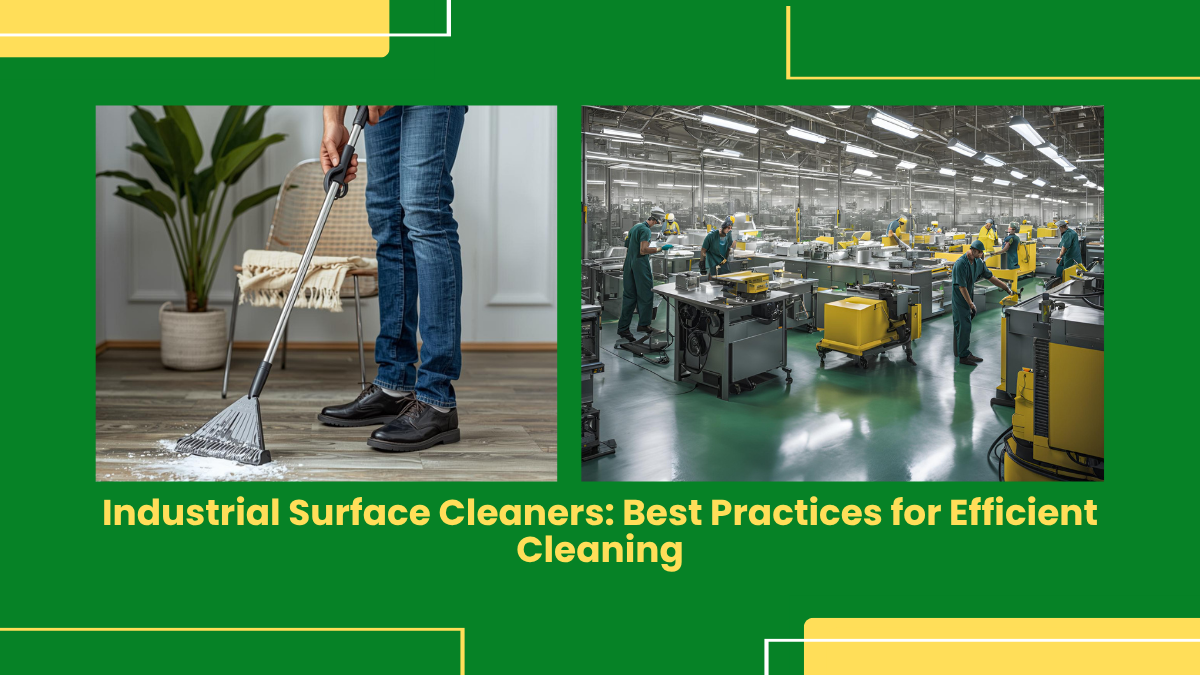
Industrial environments demand consistent and effective cleaning to maintain hygiene, safety, and operational efficiency. Surfaces in factories, warehouses, and commercial facilities are exposed to dust, grease, chemicals, and contaminants daily.
Using the right industrial surface cleaners is essential to ensure proper cleaning without damaging surfaces or affecting safety. However, efficiency depends not just on the product but also on how it is used.
This guide explains common challenges, practical solutions, and best practices to help businesses improve cleaning outcomes and maintain high standards.
What Are Industrial Surface Cleaners?
Industrial surface cleaners are specialised cleaning products designed to remove dirt, grease, stains, and contaminants from various surfaces in industrial and commercial environments.
Common Surfaces Cleaned
- Machinery and equipment
- Workstations and production areas
- Walls, panels, and countertops
- Storage and handling surfaces
Key Features
- Strong cleaning action for industrial residues
- Compatibility with multiple surface types
- Safe formulations for regular use
- Available in concentrated and ready-to-use forms
Problems in Industrial Surface Cleaning
Many businesses face challenges when using improper cleaning methods or products.
1. Ineffective Cleaning Results
- Dirt and grease remain on surfaces
- Leads to repeated cleaning efforts
2. Surface Damage
- Harsh chemicals can corrode or damage materials
- Reduces the lifespan of equipment and surfaces
3. Safety Risks
- Slippery or contaminated surfaces increase accident risks
- Improper chemical handling can harm workers
4. High Operational Costs
- Inefficient cleaning increases labour and product usage
- Leads to higher expenses
5. Lack of Standardisation
- Inconsistent cleaning practices across departments
- Affects hygiene and productivity
Solutions: Choosing the Right Industrial Surface Cleaners
Selecting the right industrial surface cleaners helps address these challenges effectively.
1. Match Cleaner to Surface Type
- Different surfaces require different cleaning formulations
- Prevents damage and improves results
2. Choose Based on Contaminant Type
- Grease requires strong degreasers
- Dust and light dirt require mild cleaners
3. Focus on Safety
- Use low-toxicity or non-toxic formulations
- Ensure safe handling and application
4. Ensure Compatibility with Equipment
- Suitable for manual and automated cleaning
- Improves efficiency
5. Follow Manufacturer Guidelines
- Use recommended dilution ratios and application methods
- Ensures consistent results
Benefits of Using Industrial Surface Cleaners
1. Improved Cleaning Efficiency
Effective cleaners reduce the time and effort required for cleaning.
2. Enhanced Workplace Safety
Clean surfaces reduce the risks of accidents and contamination.
3. Cost Savings
- Reduced product wastage
- Lower maintenance costs
4. Longer Equipment Lifespan
Proper cleaning prevents damage and wear.
5. Better Compliance
Maintains hygiene and safety standards required in industrial environments.
Best Practices for Efficient Cleaning
1. Implement Structured Cleaning Processes
- Define cleaning procedures for different areas
- Maintain consistency
2. Use Correct Dilution Ratios
- Prevents overuse of chemicals
- Ensures effective cleaning
3. Use Appropriate Cleaning Tools
- Use brushes, cloths, or machines as required
- Improves cleaning performance
4. Train Cleaning Staff
- Ensure proper handling and usage of chemicals
- Improves efficiency and safety
5. Monitor Cleaning Performance
- Conduct regular inspections
- Maintain hygiene standards
Applications Across Industries
1. Manufacturing Units
- Cleaning machinery and production areas
- Removing grease and industrial residues
2. Warehouses and Logistics
- Cleaning storage surfaces
- Reducing dust and contamination
3. Food Processing Facilities
- Maintaining hygiene standards
- Cleaning food-contact surfaces
4. Healthcare Facilities
- Cleaning equipment and surfaces
- Ensuring sanitation
5. Commercial Spaces
- Cleaning workstations and common areas
- Maintaining professional environments
Prevention Tips for Long-Term Efficiency
To maintain consistent results with industrial surface cleaners, follow these preventive measures:
1. Avoid Overuse of Chemicals
Excess use can damage surfaces and increase costs.
2. Do Not Mix Cleaning Products
Mixing chemicals can create safety risks and reduce effectiveness.
3. Clean Spills Immediately
Prevents buildup and reduces cleaning effort.
4. Use Certified Products
Ensure products meet safety and quality standards.
5. Work with Reliable Suppliers
Consistent product quality ensures better results.
Buying Guide: How to Choose the Right Industrial Surface Cleaners
1. Identify Cleaning Requirements
Consider the type of surface and contaminants.
2. Check Product Safety
Choose safe and approved formulations.
3. Evaluate Performance
Select products proven effective for industrial use.
4. Consider Bulk Purchasing
Bulk buying reduces costs and ensures availability.
5. Choose Trusted Suppliers
Work with suppliers offering consistent quality and support.
How Ecochem Supports Cleaning Operations
While selecting the right industrial surface cleaners is essential, managing cleaning processes across large facilities requires coordination.
Ecochem helps businesses streamline cleaning management through its digital signage platform.
Key Benefits of Ecochem
- Display cleaning schedules across departments
- Share cleaning protocols and safety instructions in real time
- Integrate with over 100 applications for centralised communication
This ensures that cleaning standards are consistently followed, improving efficiency and compliance.
Future Trends in Industrial Surface Cleaning
The industry is evolving with a focus on:
- Eco-friendly and biodegradable cleaning products
- Automation in cleaning processes
- Smart monitoring systems
- Safer formulations for workers
Businesses are adopting solutions that improve both efficiency and sustainability.
Conclusion
Industrial surface cleaners are essential for maintaining hygiene, safety, and operational efficiency. Choosing the right products and following best practices ensures consistent and effective cleaning results.
Organisations that focus on quality, safety, and proper processes can improve performance, reduce costs, and maintain high standards across their facilities.
FAQ’S
What are industrial surface cleaners?
Industrial surface cleaners are specialized chemicals designed to remove dirt, grease, oil, and contaminants from industrial surfaces efficiently.
Why are industrial cleaners important?
They maintain hygiene, improve safety, extend equipment lifespan, and ensure compliance with industry cleanliness and safety standards.
What types of industrial surface cleaners are available?
Common types include degreasers, disinfectants, solvent-based cleaners, alkaline cleaners, and eco-friendly bio-based cleaning solutions.
How do I choose the right cleaner?
Select based on surface type, contamination level, safety requirements, and environmental impact for best cleaning results.
Are eco-friendly cleaners effective for industrial use?
Yes, eco-friendly cleaners effectively remove dirt and grease while reducing environmental impact and ensuring safer working conditions.
Written By: Vinny Jain