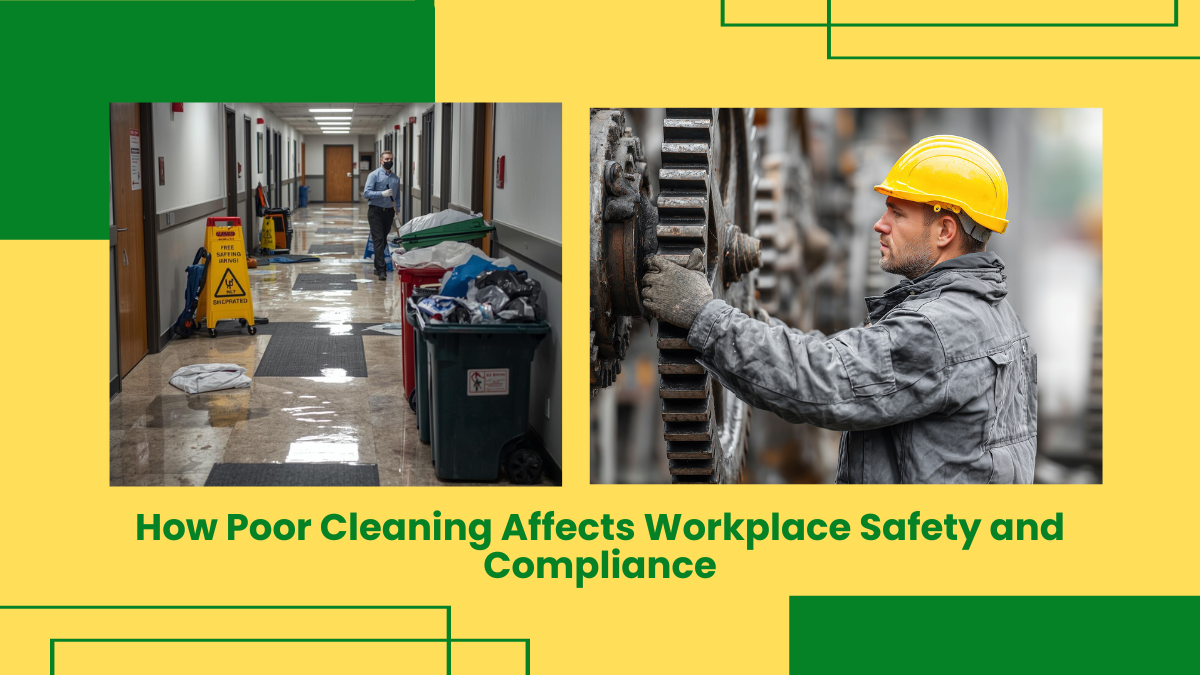
Cleanliness in industrial environments is not only about appearance. It directly affects worker safety, legal compliance, and operational efficiency. When cleaning standards are ignored, factories face higher accident rates, health risks, and regulatory penalties.
Effective industrial safety cleaning supports workplace hygiene compliance, strengthens factory safety standards, and helps prevent costly incidents. This guide explains common problems caused by poor cleaning, practical solutions, and prevention tips for long-term safety.
Understanding Industrial Safety Cleaning in Factories
Industrial safety cleaning involves systematic removal of dust, oil, waste, and contaminants from:
- Production floors
- Machinery
- Walkways
- Storage areas
- Workstations
These practices help factories meet safety requirements set by authorities such as the Occupational Safety and Health Administration and similar global regulators.
Proper cleaning ensures safe movement, healthy working conditions, and reliable compliance documentation.
Why Workplace Hygiene Compliance Matters
Workplace hygiene compliance protects both employees and employers. Poor hygiene can lead to:
- Worker illnesses
- Increased absenteeism
- Product contamination
- Legal disputes
- Loss of certifications
Clean facilities demonstrate responsibility and commitment to safety.
Common Problems Caused by Poor Industrial Cleaning
1. Slippery Floors and Fall Hazards
Problem
Oil, grease, water, and chemical spills are common in factories. Without timely cleaning, they cause:
- Slips and falls
- Sprains and fractures
- Equipment damage
- Work stoppages
This directly impacts accident prevention cleaning efforts.
2. Dust and Airborne Contaminants
Problem
Dust from raw materials and machinery settles on surfaces and circulates in the air. This leads to:
- Breathing difficulties
- Eye irritation
- Equipment malfunction
- Fire hazards
Uncontrolled dust weakens workplace hygiene compliance.
3. Blocked Walkways and Emergency Exits
Problem
Waste, packaging materials, and scrap often block movement paths. This causes:
- Delayed evacuations
- Restricted access for emergency teams
- Higher injury risk
- Regulatory violations
Blocked exits are major safety violations.
4. Contaminated Machinery and Tools
Problem
Dirty machines develop residue and corrosion. This results in:
- Malfunctioning parts
- Unexpected shutdowns
- Operator injuries
- Reduced productivity
Neglected equipment weakens factory safety standards for cleaning.
5. Pest and Insect Infestation
Problem
Food waste, moisture, and clutter attract pests. This creates:
- Health hazards
- Product contamination
- Customer complaints
- Inspection failures
Poor sanitation supports infestation.
6. Chemical Residue and Toxic Exposure
Problem
Spilled or improperly stored chemicals leave residues. This leads to:
- Skin irritation
- Respiratory problems
- Fire risks
- Environmental damage
Improper handling violates OSHA safety cleaning principles.
Practical Solutions for Improving Industrial Safety Cleaning
1. Develop Structured Cleaning Schedules
Solution
Create daily, weekly, and monthly plans covering:
- Floor cleaning
- Equipment sanitation
- Waste removal
- Ventilation maintenance
Structured schedules ensure consistency.
2. Use Area-Specific Cleaning Procedures
Solution
Different zones require different approaches:
- Production areas: Degreasing and dust control
- Storage zones: Dry sweeping and waste removal
- Chemical rooms: Spill containment and neutralization
- Offices: Light sanitation
Zoning improves cleaning efficiency.
3. Introduce Centralized Digital Monitoring
Solution
With digital signage platforms like Ecochem, factories can:
- Display cleaning checklists
- Track task completion
- Share safety alerts
- Monitor compliance status
- Integrate with HR and maintenance systems
EcoChem connects with over 100 applications, simplifying supervision.
4. Select Proper Cleaning Equipment
Solution
Use suitable machines such as:
- Scrubber dryers for large floors
- Industrial vacuum cleaners for dust
- Pressure washers for outdoor areas
- Spill response kits
Correct tools improve safety outcomes.
5. Choose Certified Safety Cleaning Chemicals
Solution
Use approved, low-toxicity chemicals that:
- Remove contaminants effectively
- Reduce fumes
- Protect surfaces
- Support regulatory compliance
Chemical safety is central to OSHA safety cleaning.
6. Train Workers on Safe Cleaning Practices
Solution
Training should cover:
- Chemical handling
- Machine operation
- Spill response
- Waste disposal
- PPE usage
Skilled staff reduces accident risks.
7. Maintain Proper Waste Management Systems
Solution
Establish:
- Segregated waste bins
- Regular disposal schedules
- Hazardous waste protocols
- Recycling programs
Good waste management supports hygiene compliance.
Prevention Tips for Long-Term Safety and Compliance
1. Implement Preventive Maintenance Programs
Regular inspections help identify:
- Oil leaks
- Loose parts
- Dust buildup
- Corrosion
Preventive maintenance reduces heavy cleaning needs.
2. Install Safety Signage and Floor Markings
Use visual guides for:
- Wet floor warnings
- Chemical zones
- Emergency exits
- Restricted areas
Signage strengthens accident prevention and cleaning efforts.
3. Enforce Personal Hygiene Policies
Employee hygiene affects workplace safety. Ensure:
- Handwashing facilities
- Protective clothing
- Clean restrooms
- Sanitizer stations
Personal hygiene complements industrial cleaning.
4. Monitor Indoor Air Quality
Control ventilation and filtration systems to:
- Reduce dust
- Remove fumes
- Prevent moisture buildup
- Improve breathing conditions
Clean air improves overall safety.
5. Conduct Regular Safety Audits
Quarterly audits should review:
- Cleaning records
- Chemical storage
- Waste handling
- Exit accessibility
Audits help maintain compliance.
6. Create Emergency Spill Response Plans
Prepare for accidents with:
- Absorbent materials
- Neutralizing agents
- Emergency instructions
- Reporting procedures
Quick action reduces injury risks.
7. Limit Access to Hazardous Areas
Restrict entry to:
- Chemical storage rooms
- Maintenance zones
- Electrical rooms
Controlled access reduces exposure.
Impact of Poor Cleaning on Legal and Regulatory Compliance
Neglecting cleaning can lead to:
- Failed inspections
- Monetary penalties
- License suspension
- Insurance disputes
- Reputation loss
Regulatory bodies expect documented proof of cleaning and safety practices.
Maintaining industrial safety cleaning records helps during audits and legal reviews.
How Digital Signage Supports Safety and Hygiene Compliance
EcoChem’s digital signage platform strengthens safety programs by:
- Displaying real-time safety updates
- Showing cleaning SOPs
- Sharing emergency procedures
- Tracking compliance metrics
- Reducing paper-based logs
Digital visibility improves accountability and response time.
Linking Cleaning Practices with Accident Prevention
Effective cleaning reduces:
- Slip hazards
- Fire risks
- Equipment failures
- Health issues
- Emergency incidents
This directly supports accident prevention cleaning strategies.
Role of Management in Safety Cleaning Programs
Leadership involvement is essential. Management should:
- Set clear expectations
- Allocate resources
- Review performance data
- Support training programs
- Encourage reporting
Strong leadership improves compliance culture.
Economic Benefits of Proper Safety Cleaning
Consistent cleaning leads to:
- Lower medical expenses
- Reduced downtime
- Fewer legal disputes
- Improved productivity
- Longer equipment life
Safety investments often return long-term savings.
Building a Safety-First Workplace Culture
A strong safety culture includes:
- Regular communication
- Transparent reporting
- Digital monitoring
- Employee participation
- Continuous improvement
When employees value cleanliness, risks decrease naturally.
Key Takeaways for Factory Managers
To protect workers and ensure compliance:
- Maintain structured industrial safety cleaning schedules
- Support workplace hygiene compliance programs
- Follow factory safety standards and cleaning procedures
- Apply OSHA safety cleaning principles
- Use digital monitoring with EcoChem
- Conduct regular audits and training
These steps help factories reduce accidents, meet regulations, and create safer working environments.
FAQ’S
Why is industrial safety cleaning important for factories?
It prevents accidents, reduces health risks, supports regulatory compliance, improves hygiene, and creates safer working conditions for employees.
How does poor cleaning affect workplace hygiene compliance?
It leads to contamination, blocked exits, pest problems, health issues, and inspection failures that can result in legal penalties.
What role does OSHA safety cleaning play in accident prevention?
It sets cleaning and safety guidelines that reduce slip hazards, chemical exposure, fire risks, and equipment-related injuries.
How can digital monitoring improve factory safety standards and cleaning?
It tracks cleaning tasks, displays safety procedures, improves accountability, reduces missed activities, and supports compliance documentation.
What are effective accident prevention cleaning practices?
Regular floor cleaning, spill management, waste removal, equipment sanitation, and employee training help minimize workplace hazards and injuries.
Written By: Vinny Jain