
Introduction
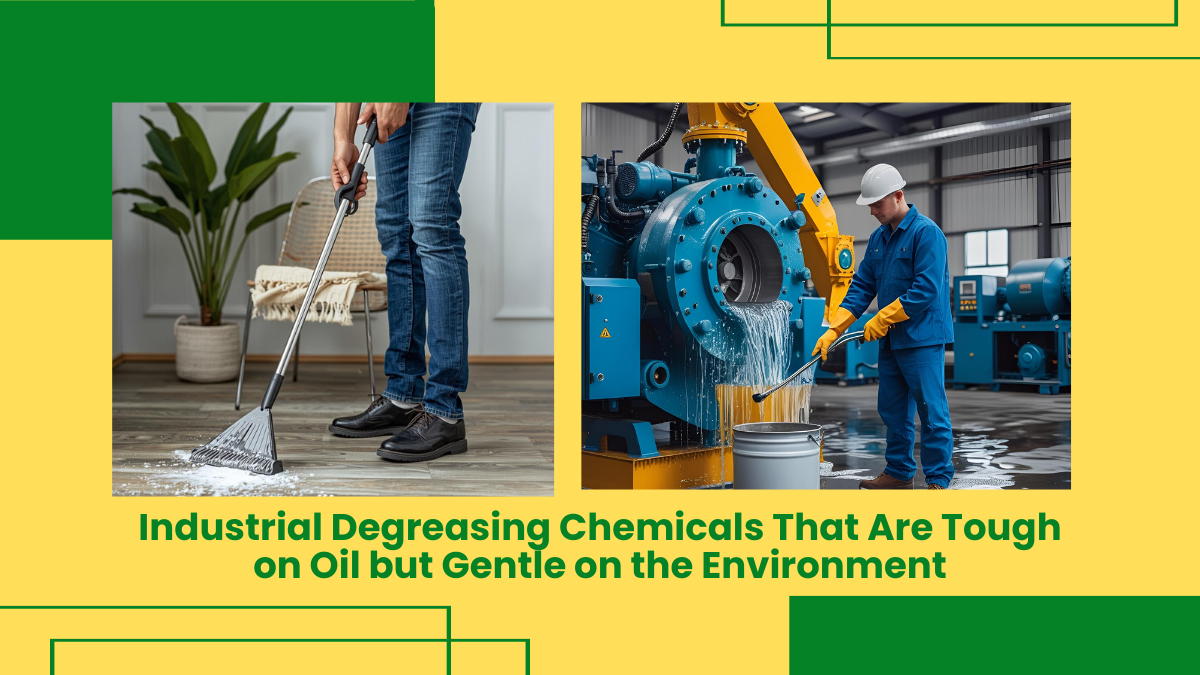
Oil, grease, and heavy contaminants are part of daily life in manufacturing, automotive, food processing, and engineering facilities. From machine parts to factory floors, these residues reduce efficiency, increase safety risks, and shorten equipment life.
At the same time, industries now face stricter environmental rules, wastewater limits, and sustainability expectations. Traditional solvent-based cleaners may remove grease quickly, but they often create long-term issues for workers, equipment, and the environment.
This is where industrial degreasing chemicals designed with environmental responsibility come into focus. Today’s solutions are expected to deliver strong cleaning performance without releasing harmful fumes, damaging surfaces, or polluting water systems.
This guide explains the real challenges industries face, how eco-friendly degreasers solve them, and what preventive steps help maintain cleaner, safer operations.
The Real Problems with Conventional Industrial Degreasing
Heavy Oil Buildup Reduces Operational Efficiency
Industrial equipment operates under heat, pressure, and friction. Over time, oil and grease accumulate on:
- Machine components
- Bearings and gears
- Conveyor belts
- Metal parts during fabrication
This buildup causes friction, overheating, and inconsistent performance. When machines are not cleaned properly, breakdowns become more frequent, leading to downtime and repair costs.
Worker Safety Risks
Many older degreasing chemicals rely on strong solvents that release fumes. These fumes can cause:
- Skin irritation
- Breathing discomfort
- Eye sensitivity
- Long-term health concerns with repeated exposure
In enclosed industrial spaces, poor air quality quickly becomes a serious issue.
Environmental Compliance Challenges
Wastewater containing oil, grease, and harsh chemicals is heavily regulated. Discharging untreated effluents can result in:
- Regulatory penalties
- Higher treatment costs
- Damage to nearby soil and water bodies
Facilities using non-biodegradable degreasers often struggle to meet discharge norms.
Surface Damage and Corrosion
Aggressive degreasing agents can strip protective coatings or react with metals, plastics, and rubber components. Over time, this leads to:
- Corrosion
- Reduced equipment life
- Premature replacement of parts
What seems like effective cleaning in the short term often causes long-term losses.
The Shift Toward Environment-Friendly Industrial Degreasing Chemicals
Industries now seek cleaning agents that balance performance with responsibility. Environment-friendly industrial degreasing chemicals are formulated to remove stubborn oil while remaining safer for people and ecosystems.
How Eco-Friendly Industrial Degreasers Solve These Problems
Strong Oil Removal Without Harsh Solvents
Modern formulations use advanced surfactant systems that break down oil molecules and lift grease from surfaces. Instead of dissolving grease using toxic solvents, these degreasers:
- Emulsify oil for easy rinsing
- Work effectively at lower concentrations
- Clean thoroughly without aggressive reactions
This makes them suitable for both heavy machinery and delicate components.
Safer Working Conditions
Environment-conscious degreasers are typically:
- Low odor
- Non-flammable
- Free from aggressive vapors
This creates a safer workspace and reduces the need for extensive ventilation systems.
Easier Wastewater Management
Biodegradable industrial degreasing chemicals break down more easily during wastewater treatment. This helps facilities:
- Meet pollution control guidelines
- Reduce effluent treatment costs
- Maintain cleaner discharge systems
For industries operating in regulated zones, this is a major advantage.
Compatibility with Multiple Surfaces
Eco-friendly degreasers are designed to clean without damaging:
- Steel and aluminum
- Painted surfaces
- Plastics and seals
- Rubber components
This versatility allows one solution to be used across departments, simplifying inventory and training.
Where Industrial Degreasing Chemicals Are Commonly Used
Manufacturing and Engineering Units
Degreasers are essential for cleaning machine parts before assembly, inspection, or coating. Clean surfaces improve accuracy and product quality.
Automotive and Transportation
From engine parts to workshop floors, oil contamination is constant. Environment-friendly degreasers help maintain cleanliness without harming drains or workshop staff.
Food Processing Facilities
Grease removal is critical in food environments, but harsh chemicals pose contamination risks. Safe industrial degreasing chemicals help maintain hygiene standards while protecting surfaces.
Warehouses and Industrial Floors
Oil spills increase slip hazards. Regular degreasing keeps floors safe and compliant with workplace safety norms.
Choosing the Right Industrial Degreasing Chemical
Consider the Type of Oil and Grease
Different industries deal with different contaminants:
- Mineral oils
- Synthetic lubricants
- Animal and vegetable fats
- Carbonized grease
Selecting a degreaser formulated for your specific residue improves results and reduces chemical usage.
Evaluate Application Method
Industrial degreasing chemicals can be used through:
- Manual wiping or brushing
- Spray systems
- Ultrasonic cleaning
- Soak tanks
The right formulation ensures effective cleaning regardless of the method.
Check Environmental and Safety Credentials
Look for degreasers that are:
- Biodegradable
- Free from harmful solvents
- Safe for wastewater systems
This reduces compliance stress and long-term risk.
Prevention Tips: Reducing Grease Problems at the Source
Cleaning is essential, but prevention reduces both cost and effort.
Schedule Regular Cleaning
Allowing grease to build up makes removal harder. Light, frequent degreasing prevents thick deposits and protects equipment.
Use Correct Dilution Ratios
Over-concentrated chemicals do not improve results and increase waste. Proper dilution ensures:
- Effective cleaning
- Lower chemical consumption
- Reduced environmental load
Train Staff on Proper Usage
Incorrect application leads to poor results and higher consumption. Simple training on dwell time, agitation, and rinsing makes a noticeable difference.
Maintain Equipment to Reduce Leaks
Leaking seals and worn parts are a major source of oil contamination. Preventive maintenance reduces grease accumulation before cleaning is even required.
The Role of Smart Integration in Industrial Cleaning Operations
Managing industrial cleaning today goes beyond selecting the right chemical. Facilities need better visibility into cleaning schedules, compliance records, and safety data.
This is where Ecochem’s digital signage and application integrations support operational efficiency. By connecting with over 100 applications, Ecochem allows industries to:
- Display cleaning schedules and SOPs
- Share safety instructions in real time
- Monitor compliance notices across locations
- Communicate sustainability goals clearly
Digital displays placed in production areas reinforce correct degreasing practices and reduce human error.
Why Environment-Friendly Industrial Degreasing Is a Long-Term Advantage
Choosing responsible industrial degreasing chemicals is not only about compliance. It directly impacts:
- Equipment lifespan
- Worker health
- Wastewater costs
- Brand reputation
Industries that invest in safer cleaning solutions often see fewer breakdowns, cleaner workspaces, and smoother audits.
Final Thoughts
Oil and grease are unavoidable in industrial environments, but harmful cleaning practices are not. Modern industrial degreasing chemicals prove that it is possible to remove tough contamination without placing stress on people or the environment.
By selecting the right degreaser, following preventive practices, and supporting operations with clear communication through platforms like Ecochem, industries can maintain high cleanliness standards while meeting sustainability expectations.
Clean equipment runs better. Clean processes cost less. And cleaner choices build stronger industrial operations for the future.
FAQ’S
What are industrial degreasing chemicals?
Industrial degreasing chemicals remove oil, grease, and contaminants from machinery, tools, and surfaces in industrial environments.
Are eco-friendly industrial degreasers effective on heavy grease?
Yes, they break down heavy oils using surfactants while remaining safer for surfaces, workers, and wastewater systems.
Where are industrial degreasing chemicals commonly used?
They are used in manufacturing plants, automotive workshops, food processing units, warehouses, and engineering industries.
Do industrial degreasers damage metal or painted surfaces?
Properly formulated degreasers clean effectively without causing corrosion, paint damage, or surface degradation.
How often should industrial degreasing be done?
Regular cleaning based on usage prevents grease buildup, improves equipment performance, and reduces maintenance costs
Written By: Vinny Jain