
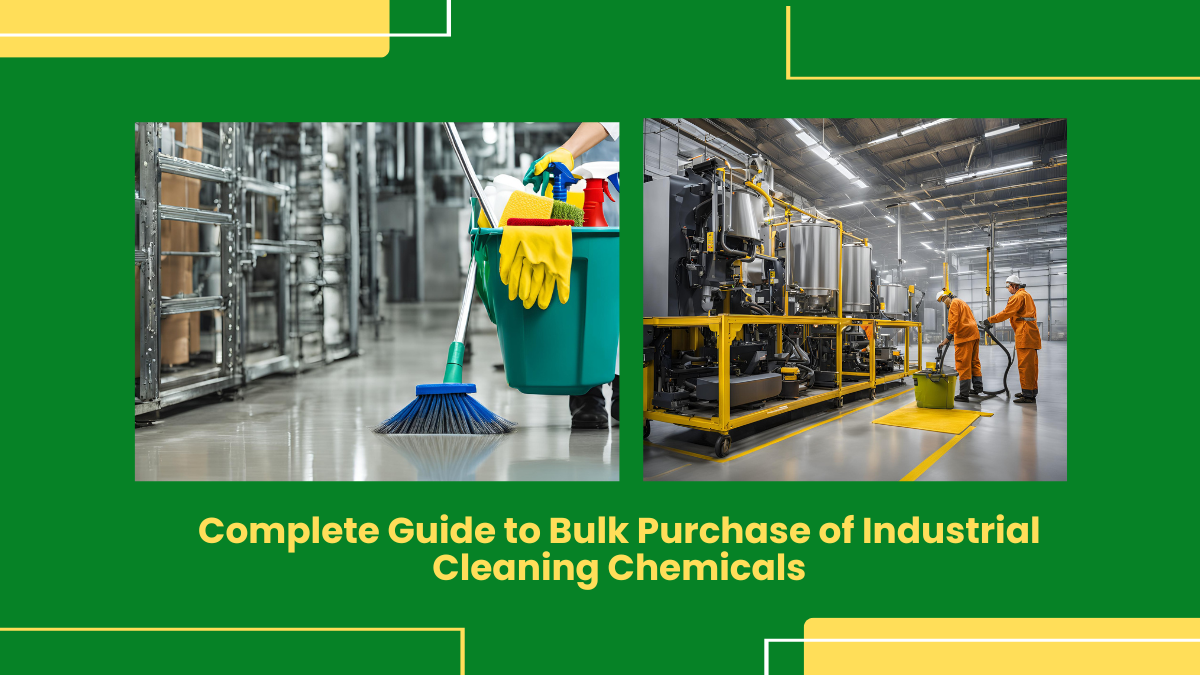
Industrial cleaning chemicals play a vital role in maintaining hygiene, safety, and equipment performance in factories. From removing grease and dust to preventing corrosion and contamination, these products are used daily across manufacturing units, warehouses, and processing plants.
For large facilities, purchasing small quantities frequently leads to higher costs, inconsistent supply, and administrative delays. This is why many businesses prefer bulk industrial cleaning chemicals to improve cost control and operational stability.
This guide explains common problems in bulk purchasing, practical solutions, and prevention tips to help you source chemicals effectively and safely.
Understanding Bulk Purchase of Industrial Cleaning Chemicals
Bulk purchasing refers to buying cleaning chemicals in large quantities directly from a wholesale factory cleaner supplier or authorized distributor. These purchases usually involve:
- Large drums, containers, or tankers
- Long-term supply contracts
- Discounted pricing
- Direct manufacturer sourcing
Working with a reliable industrial chemical distributor in India helps factories ensure continuous availability and consistent quality.
Why Factories Prefer Bulk Chemical Purchasing
Factories choose bulk buying for several reasons:
- Lower per-unit cost
- Reduced procurement frequency
- Stable supply chain
- Better supplier relationships
- Simplified inventory management
When managed correctly, bulk procurement supports long-term cost efficiency and production continuity.
Common Problems in Bulk Chemical Purchasing
1. Inconsistent Product Quality
Problem
Some suppliers provide different quality batches over time. This leads to:
- Reduced cleaning efficiency
- Equipment damage
- Increased chemical consumption
- Safety concerns
Poor quality weakens cleaning outcomes and increases risk.
2. Unreliable Supplier Commitments
Problem
Delays in delivery or sudden stock shortages can disrupt operations. This results in:
- Emergency purchases
- Higher prices
- Production delays
- Increased administrative work
Dependence on unreliable suppliers affects stability.
3. Improper Storage and Handling
Problem
Bulk quantities require proper storage. Without suitable facilities, factories face:
- Chemical degradation
- Leakage risks
- Fire hazards
- Regulatory violations
Incorrect storage reduces product life.
4. Overstocking and Expiry Losses
Problem
Buying too much without planning can lead to:
- Expired chemicals
- Wasted inventory
- Blocked storage space
- Financial losses
Overstocking reduces purchasing benefits.
5. Lack of Technical Support
Problem
Some bulk degreaser suppliers only deliver products without guidance. This causes:
- Incorrect dilution
- Chemical misuse
- Surface damage
- Safety incidents
Limited support lowers chemical effectiveness.
6. Poor Documentation and Compliance Records
Problem
Missing safety data sheets and compliance certificates can result in:
- Audit failures
- Legal penalties
- Insurance issues
- Operational risks
Documentation is essential for B2B cleaning chemicals procurement.
Practical Solutions for Bulk Chemical Purchasing
1. Select Authorized and Certified Suppliers
Solution
Work with verified distributors offering:
- Quality certifications
- Safety data sheets
- Regulatory approvals
- Consistent supply records
An experienced industrial chemical distributor in India ensures reliability.
2. Conduct Product Testing Before Large Orders
Solution
Before finalizing bulk purchases:
- Request samples
- Test on surfaces
- Check cleaning performance
- Evaluate residue impact
Testing reduces quality risks.
3. Negotiate Long-Term Supply Contracts
Solution
Long-term agreements help secure:
- Stable pricing
- Priority deliveries
- Technical support
- Customized formulations
Contracts improve predictability and budgeting.
4. Implement Inventory Planning Systems
Solution
Use digital tools to track:
- Monthly consumption
- Reorder levels
- Expiry dates
- Storage capacity
Inventory planning prevents shortages and wastage.
5. Set Up Proper Storage Infrastructure
Solution
Design storage areas with:
- Ventilation systems
- Spill containment trays
- Temperature control
- Fire safety equipment
Safe storage preserves chemical quality.
6. Standardize Chemical Usage Procedures
Solution
Develop SOPs covering:
- Dilution ratios
- Application methods
- Safety guidelines
- Disposal processes
Standardization improves efficiency and safety.
7. Partner with Digital Management Platforms
Solution
With digital signage and management platforms like EcoChem, factories can:
- Display chemical usage guidelines
- Share safety instructions
- Track inventory updates
- Monitor compliance records
- Integrate procurement data
Ecochem connects with over 100 applications, improving visibility and coordination.
Types of Industrial Cleaning Chemicals Commonly Purchased in Bulk
1. Degreasers
Used for removing oil, grease, and lubricants from machinery and floors.
2. Floor Cleaners
Used for warehouses, production halls, and loading areas.
3. Descalers
Used for removing mineral deposits from boilers and pipelines.
4. Disinfectants
Used in food, pharma, and healthcare manufacturing.
5. Solvent Cleaners
Used for precision cleaning of metal components.
6. Neutral Detergents
Used for routine maintenance and sensitive surfaces.
Understanding product categories helps in selecting the right bulk mix.
How to Choose the Right Wholesale Factory Cleaner Supplier
Supplier Evaluation Checklist
When selecting a supplier, review:
- Industry experience
- Product range
- Certification status
- Delivery capability
- Technical support availability
- Customer references
A reliable supplier becomes a long-term partner.
Pricing Transparency
Ensure suppliers provide:
- Clear price breakdowns
- Volume discount slabs
- Transportation charges
- Tax details
Transparent pricing avoids future disputes.
Logistics and Distribution Network
Strong logistics support ensures:
- On-time delivery
- Damage-free shipments
- Regional coverage
- Emergency supply capability
Logistics strength matters for large orders.
Benefits of Buying B2B Cleaning Chemicals in Bulk
Bulk procurement offers multiple operational advantages:
- Reduced procurement workload
- Lower administrative costs
- Stable supply availability
- Improved supplier relationships
- Better budget planning
- Consistent cleaning performance
These benefits improve long-term cost control.
Prevention Tips for Safe and Efficient Bulk Purchasing
1. Maintain Updated Chemical Registers
Record:
- Product names
- Batch numbers
- Expiry dates
- Storage locations
- Usage departments
Registers improve traceability.
2. Conduct Regular Storage Inspections
Inspect storage areas monthly for:
- Leakage
- Corrosion
- Temperature issues
- Container damage
Early detection prevents losses.
3. Rotate Stock Using FIFO Method
Use First-In-First-Out (FIFO) systems to:
- Reduce expiry risk
- Maintain freshness
- Improve inventory flow
FIFO supports efficient stock usage.
4. Train Employees on Chemical Handling
Training should cover:
- Safe transportation
- Spill management
- PPE usage
- Disposal procedures
Skilled handling reduces accident risks.
5. Review Supplier Performance Quarterly
Assess suppliers based on:
- Delivery reliability
- Product consistency
- Support quality
- Complaint resolution
Regular reviews improve sourcing decisions.
6. Maintain Emergency Stock Levels
Keep buffer stock for:
- Production peaks
- Supplier delays
- Unexpected consumption increases
Buffers ensure operational continuity.
7. Conduct Compliance and Safety Audits
Audits should review:
- Storage conditions
- Documentation
- Disposal methods
- Safety equipment
Audits reduce legal exposure.
Managing Bulk Purchases with Digital Systems
Digital tools simplify bulk chemical management by:
- Tracking real-time stock
- Generating reorder alerts
- Storing compliance documents
- Monitoring usage trends
- Integrating purchase data
EcoChem’s digital signage platform supports these processes by displaying SOPs, inventory dashboards, and safety instructions across factory locations.
Common Mistakes to Avoid in Bulk Purchasing
Avoid these errors:
- Buying without testing
- Ignoring expiry dates
- Choosing suppliers only by price
- Neglecting storage conditions
- Skipping documentation checks
- Overestimating consumption
Avoiding these mistakes improves returns.
Role of Management in Bulk Procurement Success
Leadership plays a key role by:
- Approving structured sourcing policies
- Supporting digital tracking
- Encouraging compliance
- Reviewing cost reports
- Investing in storage infrastructure
Strong management involvement ensures consistent results.
Linking Bulk Purchasing with Sustainability Goals
Responsible bulk buying supports sustainability by:
- Reducing packaging waste
- Lowering transport emissions
- Improving resource efficiency
- Supporting supplier accountability
Sustainable procurement strengthens brand reputation.
Building a Reliable Chemical Procurement System
An effective system includes:
- Approved supplier lists
- Digital inventory tools
- Standardized SOPs
- Regular audits
- Staff training
- Performance monitoring
These elements create long-term procurement stability.
Key Takeaways for Factory Managers
To manage bulk industrial cleaning chemicals effectively:
- Partner with certified wholesale factory cleaner suppliers
- Work with reliable industrial chemical distributors in India
- Test products before large purchases
- Implement digital inventory monitoring with EcoChem
- Maintain proper storage systems
- Train employees regularly
- Conduct supplier and compliance audits
These steps help reduce costs, improve safety, and ensure uninterrupted operation
FAQ’S
Why should factories buy bulk industrial cleaning chemicals?
Bulk purchasing reduces per-unit costs, ensures consistent supply, improves inventory control, and simplifies procurement for large-scale industrial operations.
How to choose a reliable wholesale factory cleaner supplier?
Check certifications, product quality, delivery history, technical support, customer reviews, and compliance documents before finalizing long-term partnerships.
What are the risks of improper bulk chemical storage?
Poor storage causes leaks, chemical degradation, safety hazards, regulatory violations, and financial losses due to expired or damaged products.
How does digital monitoring help manage B2B cleaning chemicals?
It tracks inventory levels, expiry dates, usage patterns, improves accountability, and supports timely reordering and compliance reporting.
Written By: Vinny Jain