Introduction
Industrial facilities depend on clean surfaces to function safely and efficiently. From factory floors and machinery panels to walls, workstations, and storage areas, surface cleanliness affects productivity, safety, compliance, and equipment life.
In the past, industrial cleaning focused mainly on strength. Strong chemicals were widely used to remove dirt, grease, dust, and residues. While effective in the short term, these cleaners often created long-term challenges such as worker exposure risks, surface damage, wastewater issues, and rising compliance pressure.
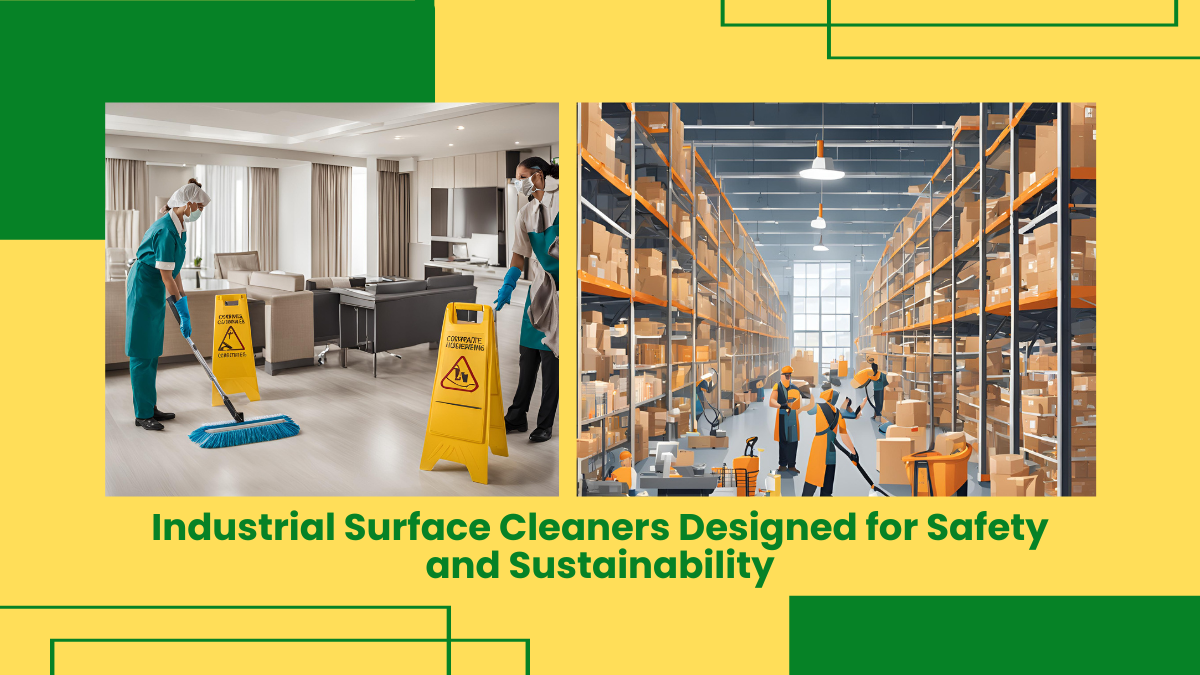
Today, industries are rethinking how surfaces are cleaned. Industrial surface cleaners are now expected to deliver consistent performance while supporting safety and sustainability goals. Facilities want cleaning solutions that work reliably without harming people, materials, or the environment.
This guide explores the common surface cleaning problems faced by industries, how safer and more sustainable cleaning solutions address them, and what preventive practices help maintain cleaner surfaces with lower long-term costs.
Problems with Traditional Industrial Surface Cleaning
Persistent Dirt and Contamination
Industrial surfaces are constantly exposed to contaminants such as:
- Oil splashes and grease mist
- Dust and fine particles
- Chemical residues
- Production waste
- Foot traffic and material movement marks
When these contaminants are not removed regularly, they build up and become harder to clean. Thick layers require stronger chemicals, longer cleaning time, and higher water usage.
Safety Risks for Workers
Many conventional industrial surface cleaners contain harsh substances that release strong odors or vapors. Regular exposure can lead to:
- Skin irritation
- Breathing discomfort
- Eye sensitivity
- Fatigue in poorly ventilated areas
In high-traffic industrial zones, worker safety becomes a serious concern when cleaning products are not designed for safer daily use.
Damage to Industrial Surfaces
Aggressive cleaning agents can damage:
- Floor coatings
- Painted surfaces
- Stainless steel panels
- Plastic housings
- Rubber seals
Over time, surfaces lose protective layers, become rough, or corrode. This not only affects appearance but also increases maintenance and replacement costs.
Slips, Falls, and Workplace Hazards
Oily or improperly cleaned surfaces increase slip risks. In warehouses and production areas, poor surface cleaning contributes to workplace injuries and safety violations.
Environmental and Wastewater Challenges
Disposing of wastewater mixed with harsh chemicals creates additional problems:
- Higher treatment costs
- Difficulty meeting discharge standards
- Environmental stress on nearby water bodies
Facilities using non-biodegradable surface cleaners often face ongoing compliance pressure.
Why Industries Are Reconsidering Industrial Surface Cleaners
Industrial cleaning is no longer just a housekeeping task. It plays a role in safety, compliance, sustainability, and operational efficiency. Modern industrial surface cleaners are developed to meet these broader requirements.
Instead of relying on aggressive chemistry, newer formulations focus on controlled cleaning action, surface compatibility, and reduced environmental impact.
How Modern Industrial Surface Cleaners Address These Issues
Effective Cleaning Without Harsh Chemistry
Advanced industrial surface cleaners use balanced surfactant systems that loosen dirt and grease without attacking surfaces. These formulations:
- Lift contaminants for easy removal
- Reduce the need for excessive scrubbing
- Work at controlled concentrations
- Deliver consistent results across surfaces
This approach reduces chemical stress on both surfaces and users.
Improved Worker Safety
Safer industrial surface cleaners are designed with daily use in mind. They often feature:
- Low odor
- Reduced vapor release
- Lower irritation risk during controlled handling
This creates a healthier work environment and reduces dependence on heavy protective equipment.
Protection of Surface Integrity
Surface-safe formulations help maintain:
- Floor coatings
- Painted equipment
- Metal finishes
- Plastic and composite materials
By preserving surface condition, facilities extend the life of their infrastructure and reduce repair frequency.
Better Control of Slip Hazards
Proper surface cleaning removes oily films and residues that cause slipperiness. Regular use of suitable industrial surface cleaners improves floor grip and overall workplace safety.
Simplified Wastewater Management
Many modern surface cleaners are formulated to break down more easily during wastewater treatment. This helps reduce:
- Environmental impact
- Treatment complexity
- Compliance risks
Cleaner discharge supports long-term sustainability goals.
Common Applications of Industrial Surface Cleaners
Manufacturing Facilities
Used to clean production floors, machine exteriors, control panels, and workstations, helping maintain safe and organized operations.
Warehouses and Logistics Centers
Surface cleaners help remove tire marks, dust, and spills from floors and loading areas, improving safety and visibility.
Automotive and Engineering Units
Used for cleaning service bays, equipment surfaces, and workshop floors without damaging coatings or drainage systems.
Food Processing and Packaging Areas
Surface cleaning is critical for hygiene. Suitable industrial surface cleaners help remove residues while supporting cleanliness standards.
Utilities and Infrastructure Sites
Power plants, water facilities, and maintenance zones require consistent surface cleaning to support safety and equipment access.
Choosing the Right Industrial Surface Cleaner
Identify the Surface Type
Different surfaces require different cleaning approaches, including:
- Concrete floors
- Epoxy-coated surfaces
- Stainless steel panels
- Painted walls
- Plastic housings
Selecting a cleaner compatible with all relevant surfaces prevents damage.
Understand the Type of Contamination
Oil-based dirt, dust, chemical residues, and organic waste require different cleaning actions. Matching the formulation to the contaminant improves efficiency.
Consider Frequency of Use
Surfaces cleaned daily benefit from milder yet effective formulations that reduce long-term wear and chemical exposure.
Review Safety and Environmental Profile
Choosing surface cleaners with lower toxicity and better wastewater compatibility supports compliance and sustainability efforts.
Prevention Tips for Cleaner Industrial Surfaces
Effective cleaning improves when contamination is controlled at the source.
Implement Regular Cleaning Schedules
Frequent light cleaning prevents heavy buildup and reduces the need for stronger chemicals later.
Address Spill Sources Quickly
Oil leaks, chemical drips, and dust generation should be handled through maintenance to prevent surface contamination.
Train Staff on Proper Cleaning Methods
Correct dilution, contact time, and rinsing practices improve results and reduce chemical waste.
Maintain Floors and Coatings
Damaged surfaces trap dirt more easily. Timely repairs make cleaning easier and more effective.
Standardize Cleaning Procedures
Clear SOPs ensure consistent cleaning results across shifts and locations.
Managing Surface Cleaning Through Digital Communication
Clear communication plays a major role in effective industrial cleaning. This is where Ecochem’s digital signage platform supports operations.
By securely connecting with over 100 applications, Ecochem helps industrial facilities:
- Display surface cleaning schedules
- Share safety instructions in real time
- Communicate approved cleaning procedures
- Display chemical handling guidelines
- Reinforce sustainability practices
- Support compliance messaging across locations
Digital signage placed near work areas ensures that cleaning instructions are visible, current, and followed correctly.
Why Safe and Sustainable Surface Cleaning Matters Long Term
Choosing the right industrial surface cleaners affects more than cleanliness. It influences:
- Worker safety
- Equipment durability
- Maintenance costs
- Compliance readiness
- Environmental responsibility
Facilities that invest in safer cleaning systems often experience fewer incidents, smoother audits, and more reliable operations.
Closing Perspective
Industrial environments demand surfaces that are clean, safe, and durable. Relying on harsh chemicals may solve short-term cleaning problems, but it often creates long-term challenges. Industrial surface cleaners designed for safety and sustainability offer a balanced approach that supports daily operations without unnecessary risk.
When combined with preventive practices and clear communication through platforms like Ecochem, industries can maintain high cleaning standards while protecting people, infrastructure, and the environment.
Clean surfaces support safe work. Safer cleaning supports sustainable growth.
FAQ’S
What are industrial surface cleaners?
Industrial surface cleaners remove dirt, grease, and residues from floors, walls, equipment, and work surfaces in industrial settings.
Are industrial surface cleaners safe for daily use?
Yes, modern formulations are designed for regular use with reduced health, surface, and environmental risks.
Can industrial surface cleaners damage floors or coatings?
No, properly formulated cleaners protect coatings and surfaces while removing contamination effectively.
Where are industrial surface cleaners commonly used?
They are used in factories, warehouses, workshops, food processing units, and infrastructure facilities.
How do industrial surface cleaners support sustainability?
They reduce chemical usage, improve wastewater treatment compatibility, and lower environmental impact.
Written By: Vinny Jain